17 May 2011

The R3project has come to an end

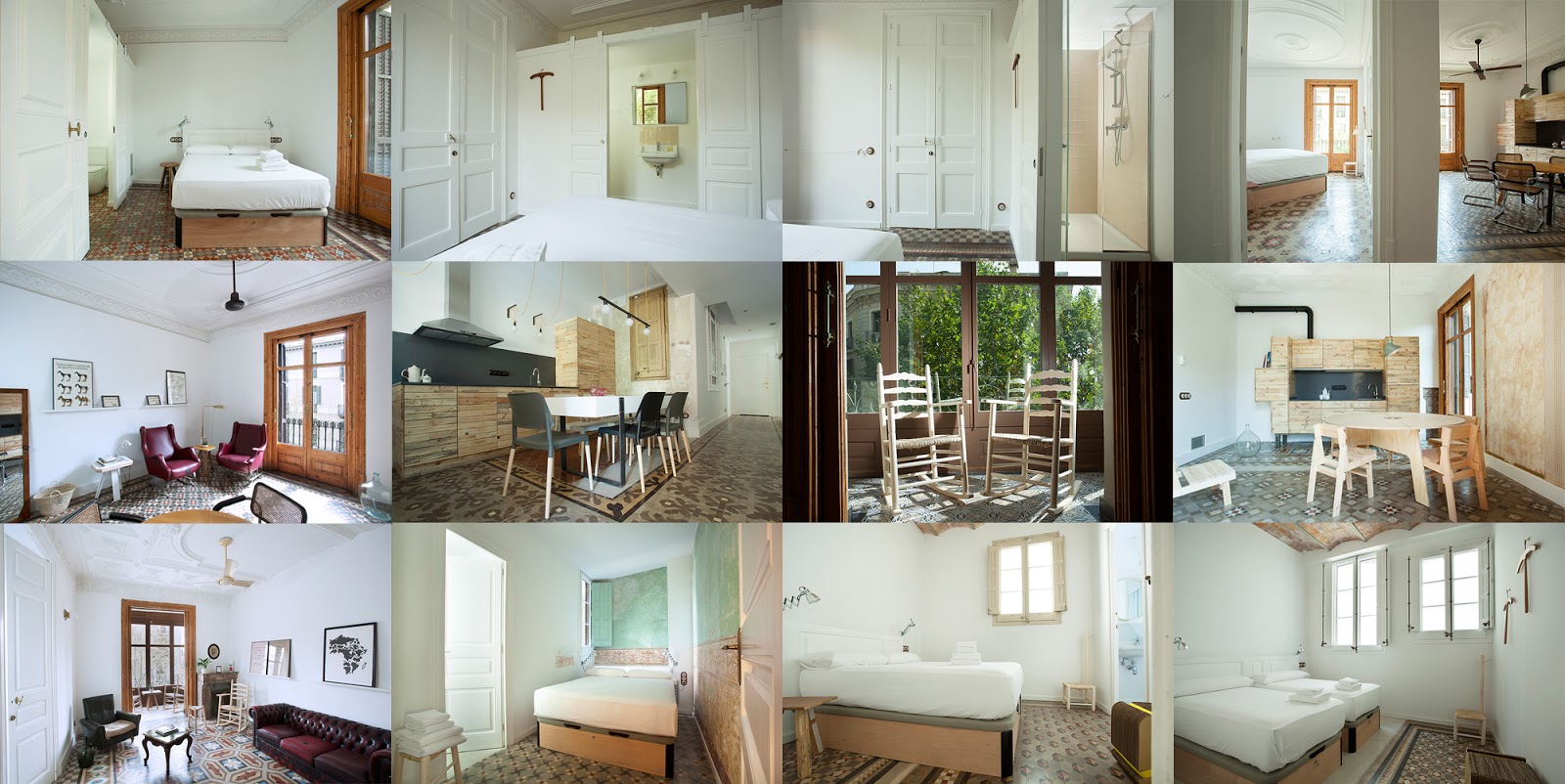
Hi! You reached the R3project web site, a blog about how to adapt urban housing to a green lifestyle. It is the diary of an ecological renovation of an old apartment in the heart of Barcelona, and a guide to a more responsible way of living.

This blog had been growing with our flat, ripening with the experience and evolving with the participation of our readers. Between 2006 and 2010 we published our step by step eco-renovation. The work is now finished, and so is the blog but we hope you can still get inspired by the result and find useful information for your home.

Feel free to scroll through the 5 Rs of ecodesign or visit each room by reading the round-ups in the left sidebar. We also appreciate any comments and hope you share your knowledge and thoughts about eco-friendly urban living.

For current projects by eco designer Petz Scholtus, please visit Pöko Design.

*faircompanies visited the R3project

Thanks Kirsten for a wonderful report!

23 February 2010

Open R3project - Oct 29 2010

As part of the Barcelona Design Week, we are participating in the Design Circuit, and opening the R3project (which houses the Pöko Design Studio) to show and sell eco-friendly products and interior design. Together with Matteria (good design + smart materials) and Evohé organic wine, we would like to show you around, so come and visit us on october 22nd, between 16h-20h.


Flyer designed by Ernest Vidal.

27 January 2010

R3project round-up 7: the Balcony


Although we don’t have much of it, living in the Centre of Barcelona, we love our outdoor space. Our apartment has 3 small Barcelona-style balconies, that just about fir some flowerpots, a compost bin and a washing line.

No matter how little space you have, you can always grow some of your own herbs and spices, and even vegetables on windowsills, balconies or terraces if you don’t have a garden. We really like the Leopoldo Urban Vegetable Garden for it’s slick and practical design. Used indoors and outdoors, with wheels and available in different sizes, the Leopoldo is the perfect alternative to your standard ceramic pots and fits even into small spaces. We have managed to grow anything from parsley to basil, cherry tomatoes and cucumbers, chillies and strawberries.

One of the most important features of the R3project is the Can-O-Worms compost bin. We can’t get over the fact that thousands of worms on our balcony turn all our organic scraps from the kitchen and our plants into nutritious compost that we then use as fertiliser for the plants.

We had this worm composter for over a year and half now, and had had no bad surprises. Worms and homeowners are happy. And you would be surprised how much organic waste we recycle, since we ordered the organic vegetable box by Recapte. Every 3 to 4 months we get to collect some 8 kilos of fresh compost. Read here about how to install a Can-O-Worms (with video) and here about our first compost harvest.

Quite common in Barcelona, although not so in the United States where in some places they have even been banned, drying lines are the most eco-friendly way to dry your clothes. No energy is needed, no machinery, and the clothes end up smelling fresh.

Then, on sunny days, we take out our solar oven we made in a workshop by Fundació Terra, and cook some delicious biscuits or hot bananas with melted chocolate…
20 January 2010

R3project round-up 6: the Bathroom


As you can guess, in the bathroom it is most of all about water, and using as less as possible of it. Our showerhead and the tap of the sink have low-flow faucet aerators that mix the water with air. That way less water is used but you still get the effect of a full shower. The aerators are easy to install, and only cost around 3€, while saving up to 50% water! We believe it’s a must for all taps.

Toilets are also using quite a lot of water. We find it easiest to reduce the water consumption at this end by regulating manually how much water we need each time to flush. Our Stop Flush system by Roca, let’s you decide how much water you need each time; the first flush starts letting water down the toilet bowl and the second flush stops it. If you happen to forget or your guests don’t know this system, it simply stops after a full flush of 12 litres. Read about other options for water-saving flushing devices here.

The next things to keep in mind are the materials you use in the bathroom. Because of the contact with water and a higher humidity level in the air, natural materials are not always recommended for bathrooms. We decided to use the same locally produced tiles as in the kitchen, only in red instead of white and green. The walls around the bathtub and the sink are covered with recycled plastic slate tiles, also a Spanish product. You can read about this experiment here and here.

The bathtub was actually in the apartment when we started the renovation, and despite a few scratched that could easily be fixed, it was in perfect shape. It was however not easy to convince the workmen to use this old tub instead of buying a brand new one, even if they are cheap. Bathtubs and sinks create a lot of waste when they are thrown out, often only because of a change in fashion, and not becasue they are broken. That is why we decided to get the sink Kalahari by Roca, a locally produced sink, made of much less material than most other designs.

We are also avoiding the use of PVC, so the alternative to a shower curtain was a simple glass sheet: long lasting and easily recyclable. Mirrors are not especially eco-friendly objects, so the best thing you can do is get a second hand one. Last but not least, we keep our bathroom clean with some eco-cleaning action. Click here for some recipes for eco-friendly cleaning products you can make your self- and that work!

If you want to know more about the R3project, you can read the round-ups of kitchen, living-room, office, bedroom and general installations.